What is a mental health animation explainer and how does it work?
A mental health animation explainer video is a short, animated film that takes difficult psychological subjects – things like anxiety, depression, or emotional wellbeing – and turns them into clear, friendly visual stories anyone can follow.
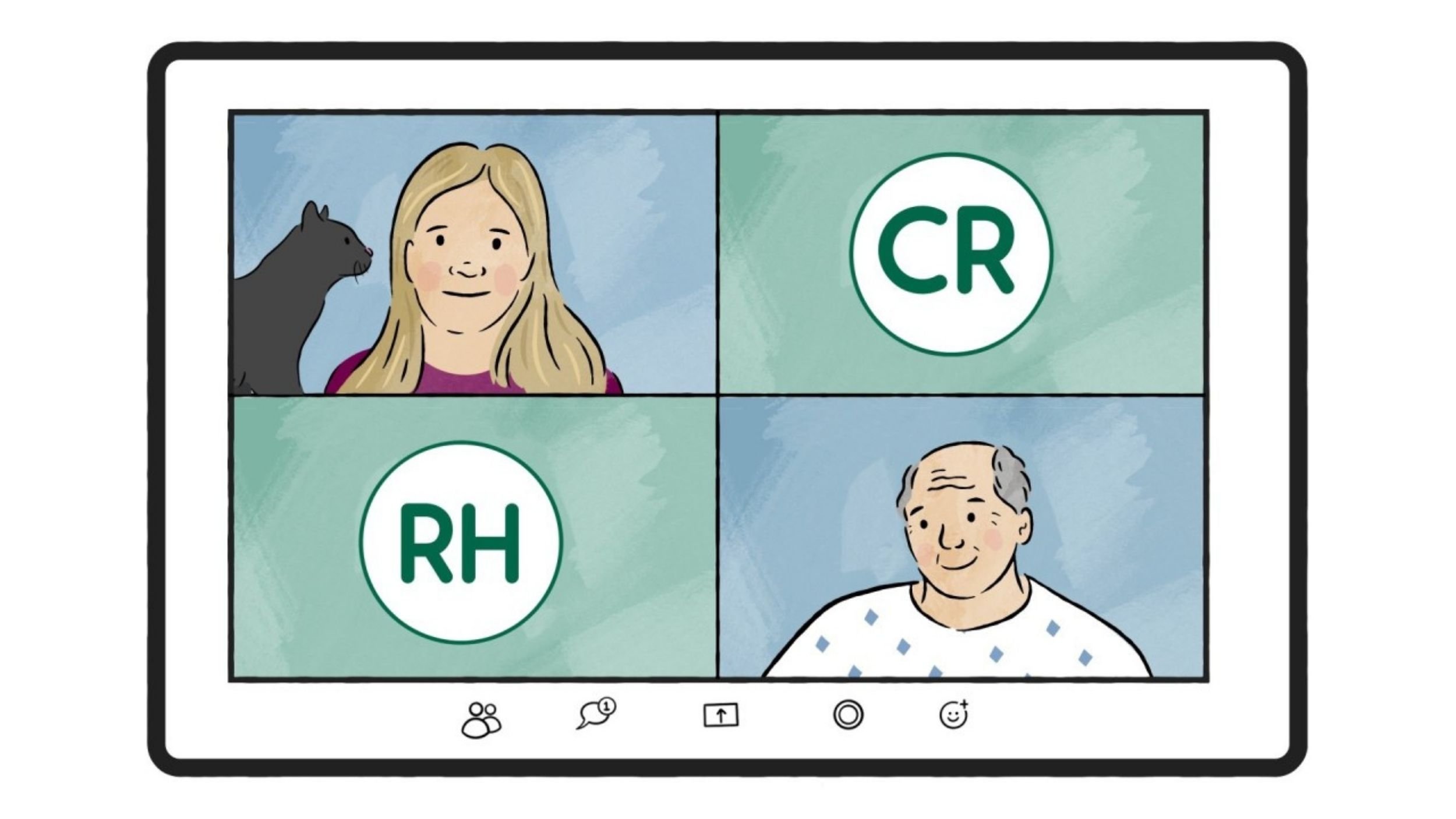
Through characters, gentle motion and a warm voiceover, it makes these topics feel less daunting and helps chip away at the stigma that stops people asking for help.
When someone is seriously struggling, their mind is already full. They can't take in too much at once. Research shows that people looking for support often prefer online, anonymous help, but before they open up, they quietly ask themselves one thing: ‘Is this the right place for me?’
An explainer animation answers this question gently in the time it takes to watch.
How animation makes difficult mental health topics easier to understand
1/ It slows a heavy topic down to a pace people can take in
When someone is overwhelmed, they can only take in so much at once. Animation lets us share heavy information slowly and gently, one idea at a time. By unfolding one concept at a time, we ensure the viewer can absorb the message in small, manageable pieces without feeling rushed or overloaded.
2/ It creates a safe distance
Live-action video can sometimes feel incredibly intense or confronting, making a vulnerable viewer feel exposed. An illustrated character acts as a gentle buffer. This subtle layer of separation allows people to look directly at painful experiences like panic, isolation, or crisis without feeling like all eyes are on them.
3/ It shows feelings that are hard to put into words
So much of the mental health struggle happens entirely in the mind, making it incredibly difficult to articulate. Where text often struggles to describe the weight of depression or the static of anxiety, animation can visually capture these feelings. It translates internal, invisible pain into something tangible and instantly recognisable.
4/ It lets someone see themselves in a story
By telling a short, character-driven story, the animation videos invite viewers to see their own struggles reflected on screen without judgement. Watching a character navigate a hurdle and find help acts as a quiet proof of concept. It builds immediate trust, helping the viewer realise: “If they can take that next step, maybe I can too.”
5/ It handles sensitive content gently
When dealing with deeply sensitive topics like trauma, grief, or self-harm, live-action footage can easily feel too graphic or raw. Illustration holds these subjects with immense gentleness. It suggests emotions rather than showing stark reality, allowing us to communicate profound truths without triggering the viewer.

A real example of mental health animation in practice
You can shape animation around whoever you're trying to reach. Have a look at one of our mental health animations, CQC: Out of Sight – Who Cares? Our artist Caroline illustrates real-life case studies with the care and sensitivity these subjects deserve.
It's a good example of how a difficult, painful topic can be handled clearly and in a way people can actually take in.
Frequently asked questions about mental health animation
-
A mental health animation explainer video is a short animated film that explains complex mental health topics in a simple, engaging and compassionate way. Using storytelling, illustrations and professional voiceover, it helps people understand issues such as anxiety, depression, trauma and emotional wellbeing without feeling overwhelmed.
-
Animation creates a safe, non-judgemental way to explore sensitive subjects. Unlike live-action video, illustrated characters can represent difficult emotions without feeling too personal or confronting. This makes it easier for viewers to engage with information and recognise their own experiences.
-
Mental health animation is used by NHS organisations, charities, local authorities, healthcare providers, universities and employers. It can support patient education, staff wellbeing, public awareness campaigns, safeguarding initiatives and signposting to support services.
-
Yes. By presenting mental health in an approachable and relatable way, animation encourages open conversations and helps normalise seeking support. Gentle storytelling can make difficult topics feel less intimidating and reassure viewers that they're not alone.
-
An effective mental health explainer video combines clear messaging, thoughtful storytelling, sensitive illustration, accessible language and a warm human voiceover. It should be designed around the needs of its audience, making complex or emotional topics easier to understand while encouraging trust and engagement.
Need a mental health animation for your organisation?
We'd love to help you reach the people who need you. Book a free consultation, and we'll talk through your project together. And if you're part of the NHS or a charity, let us know – we've got a special discount just for you!
(Originally posted 17/07/26 on LinkedIn: The Healthcare Animation Brief)