What's the first word that comes to mind when you hear ‘animation’?
For some, it's cartoons for kids. Colourful, cute, a nice-to-look-at video and nothing more. But some people already know; animation is far more than that.
So what can animation really do?
If you've ever heard of Japanese anime, you'll almost certainly know Studio Ghibli, which is famous worldwide for its 2D, hand-drawn animation. Films like My Neighbour Totoro and Kiki's Delivery Service aren't watched by children alone.
Ghibli's hand-drawn work evokes a deep sense of calm and quiet happiness that people return to again and again; there's a reason the internet calls it comfort viewing, and researchers and fans alike have described the effect as genuinely good for mental health.
How does hand-drawn animation manage that?
A few things: emotional honesty, characters sitting in silence, waiting for buses in the rain, feeling lost or homesick, and the films let those feelings breathe. A love of the ordinary, wind moving through grass, the quiet of a countryside morning, nothing dramatised, everything noticed.
It meets you where you are, gently. As anyone who's watched a Ghibli breakfast scene knows, a drawing of eggs and bacon shouldn't make your mouth water.
When we animate stories about mental health, healthcare and social care, we're using the same principle: animation can hold difficult feelings gently. It can explain what words struggle to. It can make someone facing a hard diagnosis, a mental health challenge or a life change feel seen.
Two of our projects show exactly what we mean – both films take a difficult, human subject and turn it into something people can actually watch, absorb and act on.

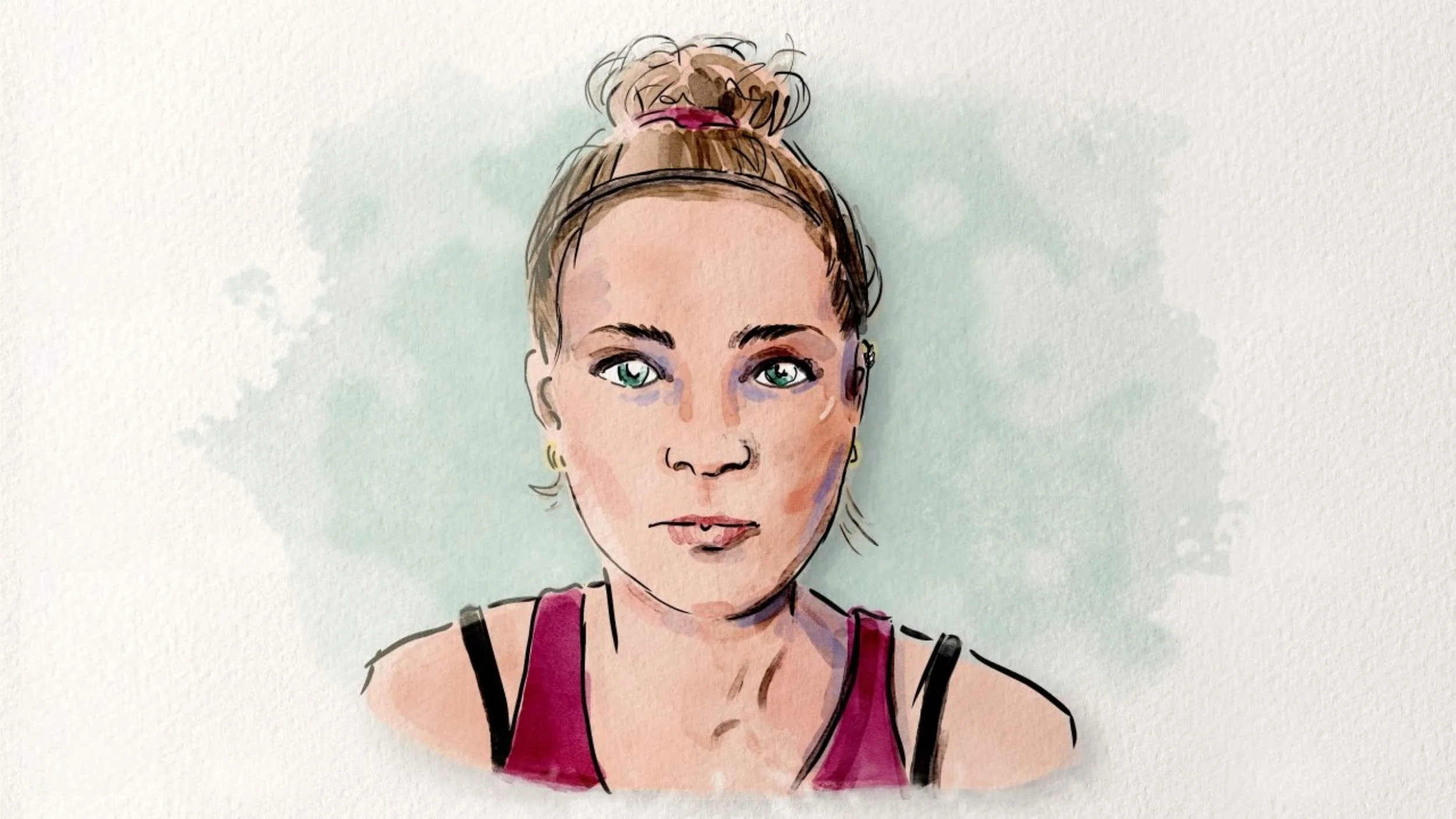
This is an animation that gently opens up perinatal mental health, a subject many parents find painfully hard to talk about, helping people recognise they're not alone and that support is there.

The true story of Dwayne Jack, who became involved with criminal gangs at just six years old and later turned his life around to help others. Voiced by Zoë Wanamaker CBE and Royce Pierreson, it explores how blurred the line between victim and perpetrator can be. The film went on to earn 21 pieces of media coverage and is now used in criminology teaching at two universities.
Animation takes your imagination, your expertise or your data and brings it to life, shaped exactly the way your audience needs to receive it.
Animation is so much more than people assume.
Frequently asked questions about animation for health & social care
-
Animation can explain complex healthcare and social care topics in a clear, accessible and engaging way. It can help audiences understand diagnoses, treatments, mental health, social care services and personal experiences while presenting sensitive subjects with empathy.
-
Yes, animation can make mental health information easier to understand and more relatable. It can represent emotions, experiences and situations that are difficult to communicate with words or live action, helping people feel understood while conveying important information clearly.
-
Animation can make complex or sensitive subjects easier to understand by turning abstract ideas, emotions and experiences into visual stories. In healthcare and social care, it can communicate difficult information with clarity while maintaining a human and empathetic approach.
-
Animation can visualise ideas and experiences that are difficult to show with live action. It doesn't require real patients, locations or actors, and can use imagery, characters, movement and metaphor to explain complex healthcare subjects in a way that's tailored to a specific audience.
-
Yes, animated videos can make healthcare information clearer, more engaging and easier to remember. Combining visuals, narration, sound and storytelling can help audiences understand complex information while connecting with the human experience behind it.
Need an effective animation for your organisation?
We'd love to help you reach your audience. Book a free consultation, and we'll talk through your project together. And if you're part of the NHS or a charity, let us know – we've got a special discount just for you!
(Originally posted 31/07/26 on LinkedIn: The Healthcare Animation Brief)