Choosing a 2D healthcare animation style for your NHS or charity project
Not sure which 2D healthcare animation style fits your NHS or charity project? You’re not alone... Most project managers enter their first studio meeting without a clear idea of their needs. This makes the process harder than it needs to be.
Choosing the right animation style is one of the most important decisions in any healthcare animation project. It shapes how your audience feels before a single word is spoken. It determines whether a patient feels seen, whether a clinician trusts the information, and whether the message actually lands.
The wrong style can push your audience away. It happens before your message hits home.
Picture a mental health campaign in a sharp, clinical look.
Or an NHS video full of data that tries to feel emotional.
The content is solid. Yet something feels wrong. Viewers tune out.
This guide covers every main 2D animation style used in healthcare today, what each does best, and how to match the right style to your project.
Style 1: Case study character-driven 2D animation
This is a good choice if your topic covers feelings.
Think mental health, grief, addiction, domestic abuse, social care, or tough diagnoses. Viewers relate to animated characters in situations similar to their own. They feel less alone. This seems simple, but it packs power for silent struggles. The soft look does the emotional work before the words start.
It boosts access too, being suitable for all ages, backgrounds and reading skills.
Character-driven 2D animation is one of the most accessible healthcare video types. It fits patients at any reading level. One safeguarding project shows it best; a good example of this style in action is our safeguarding project for the Oliver McGowan Mandatory Training on Learning Disability and Autism.
Best for:
NHS healthcare animation
Mental health animation videos
Social care animation
Patient education animation
Charity awareness videos
Public health communications
Safeguarding adults boards
Animations related to the Patient Safety Incident Response (PSIR) framework
Emergency services

Style 2: Whiteboard animation
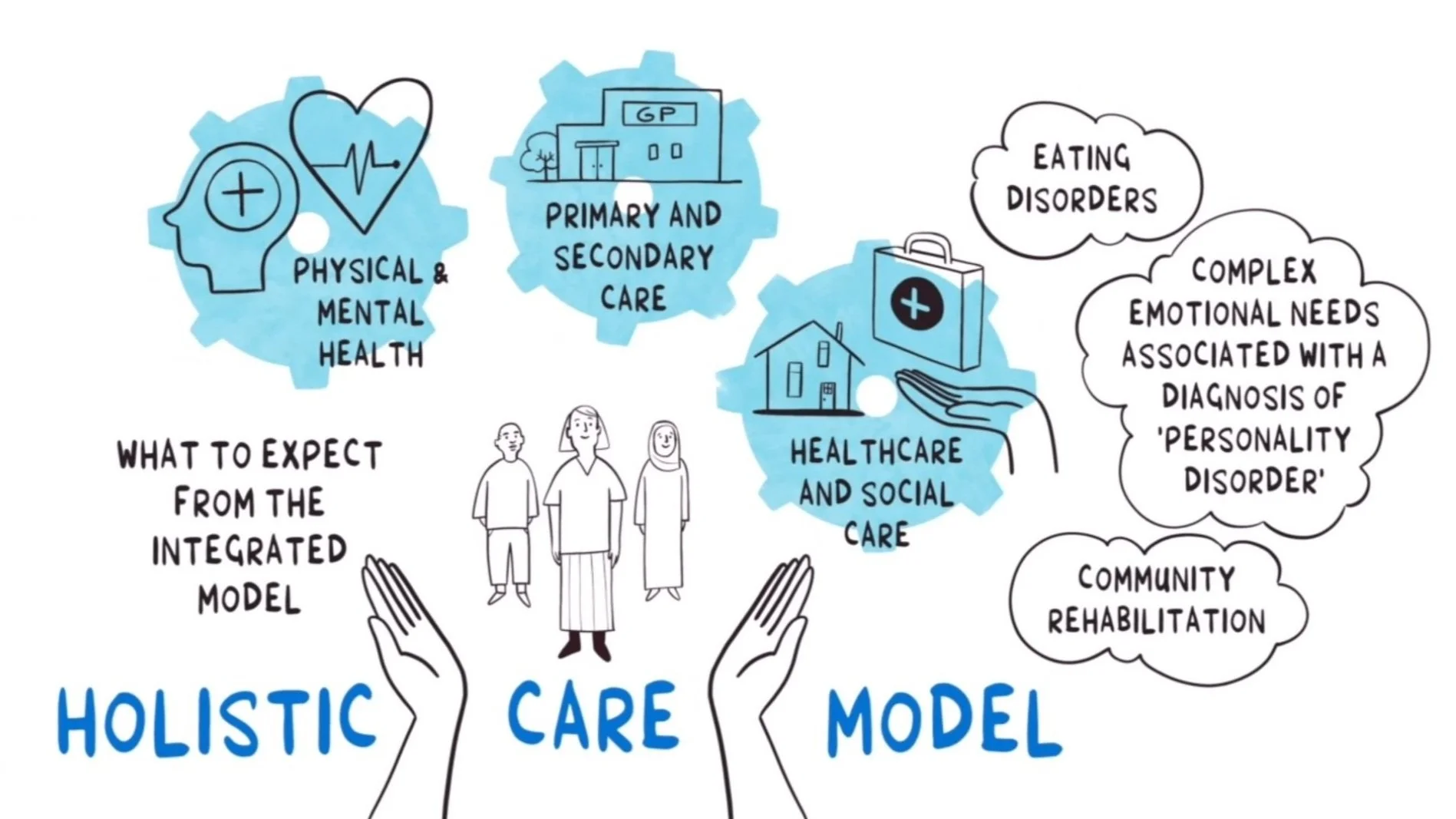
Whiteboard animation feels like a good teacher at work. Drawings appear as a voice explains, mirroring the way a problem gets worked through on a board in front of you. It shines when accuracy matters more than emotional warmth. The simplicity keeps viewers focused on the logic of the explanation rather than the visuals themselves.
If you need your audience to understand a process and remember it, a whiteboard animation style does that job really well. You can see this style in action in our NHS England Community Mental Health Transformation film.
Best for:
Clinical training
Patient education animation
NHS staff onboarding
Health and safety training
Style 3: Flat and vector 2D motion graphics animation
This style works well when you need to communicate clearly to a wide audience quickly.
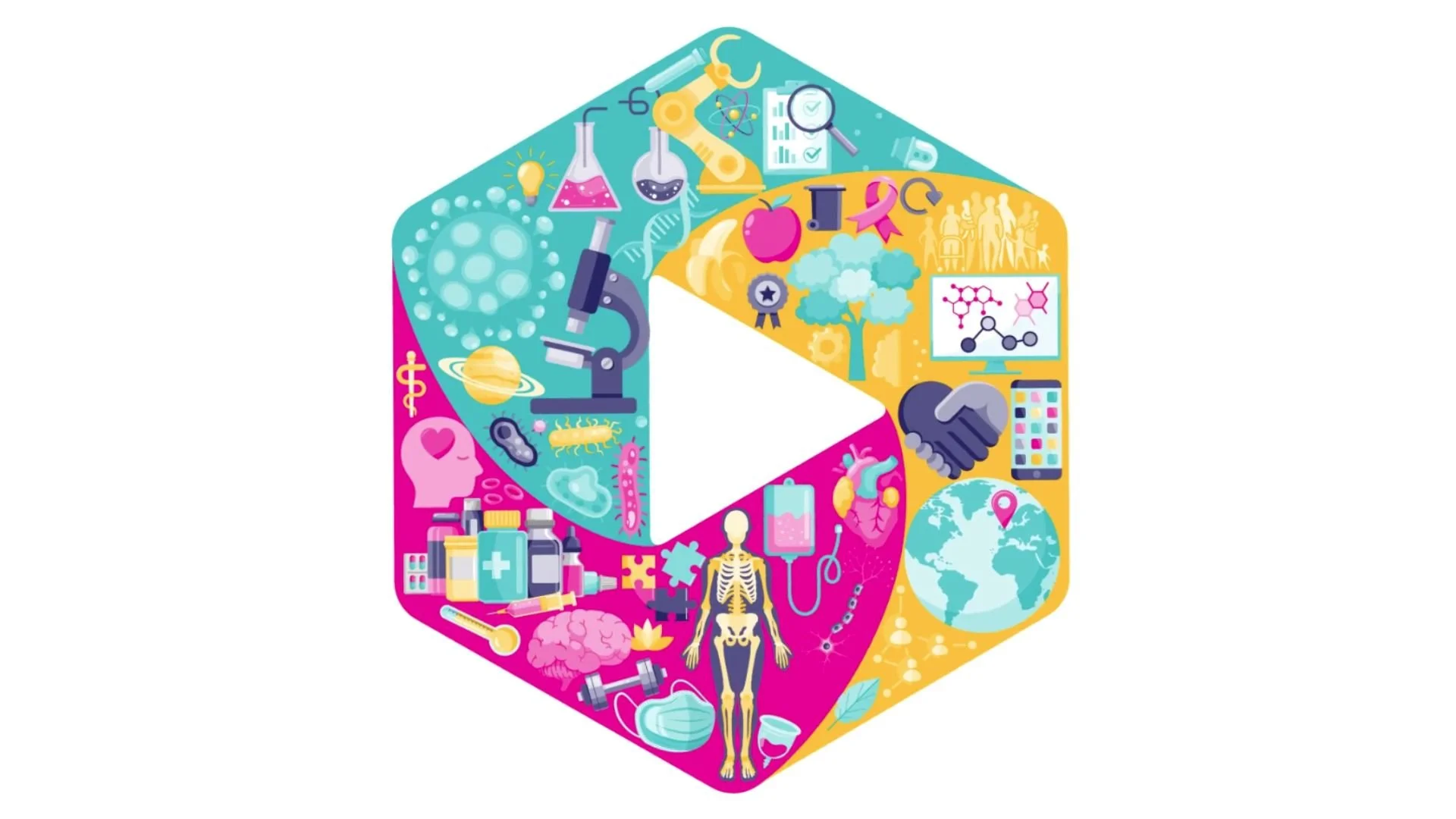
Service overviews, health app guides and public-facing NHS communications all benefit from the clean, distraction-free visuals. The message lands simply and accessibly, and people get the point without having to work for it.
We used this style in our own CC Animation Studio film, 2D Healthcare Animation Styles: How to Choose the Right One for Your NHS or Charity Project
Best for:
Public health awareness animation
NHS service explainer videos
NHS Trust overview videos
Health app explainer videos
Healthcare research explainer videos
Public health campaign animation
Style 4: Illustrated and watercolour animation
Some topics need more than a clean visual style, and they need to feel like someone cared enough to make something by hand.
Illustrated and watercolour animation does that. The soft brushstrokes and gentle colours wrap the heaviest subjects like terminal illness, loss, trauma and serious mental health in warmth without softening the truth of them.
Our film for CLCH NHS Trust on Childhood Diabetes is a good example of this style at work.
Best for:
Trauma-informed animation videos
Adult mental health campaign animation
Emotional healthcare storytelling videos
Safeguarding animation videos
Serious illness awareness videos
Bereavement support animation.

Style 5: Mixed media animation
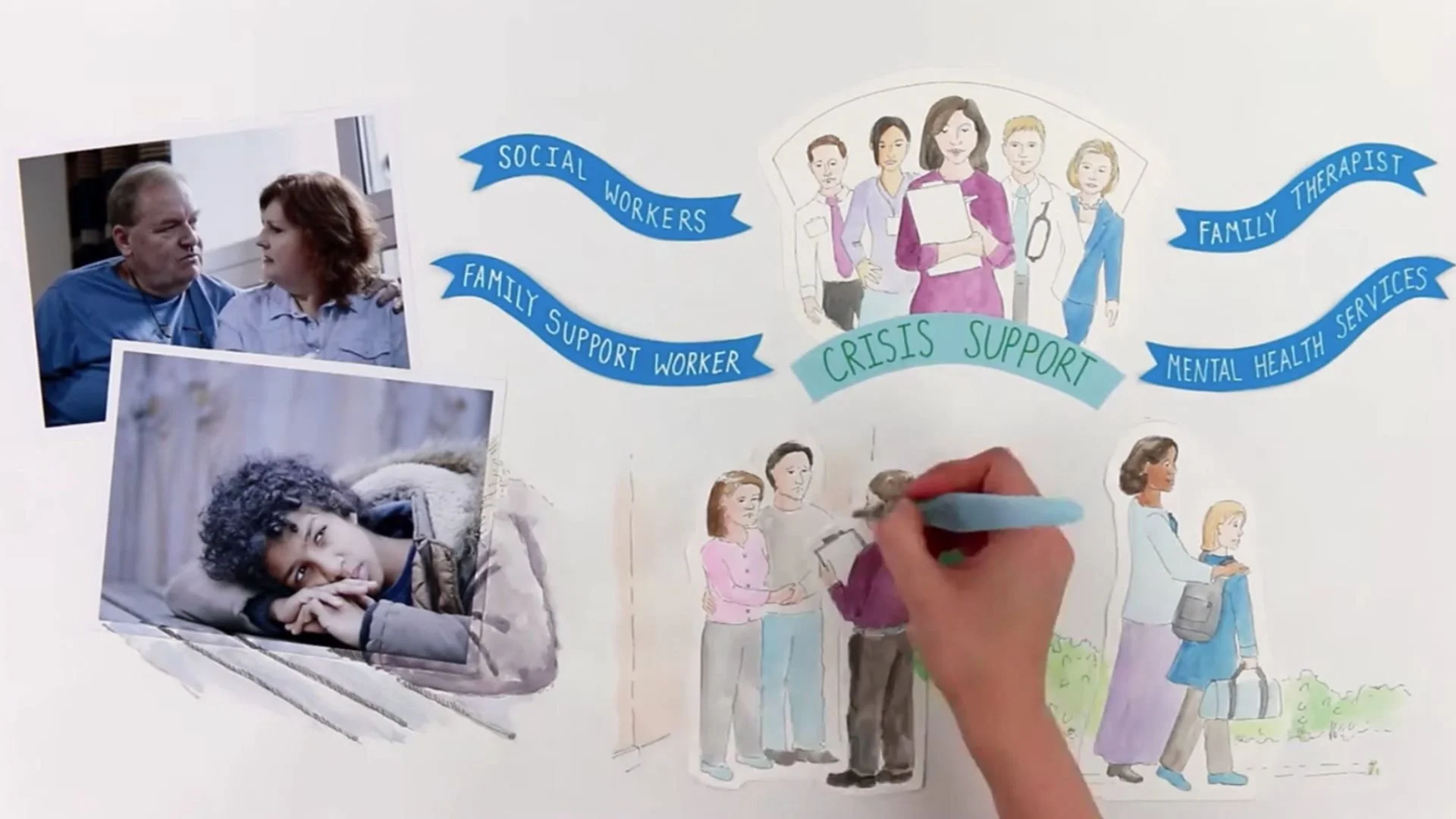
Some stories need more than one visual language to tell them properly. Mixed media brings together the warmth of character animation and the clarity of motion graphics — so a film can carry both the human side of a story and the data that supports it without either feeling out of place.
Our NSPCC film on the emotional wellbeing of children in care shows what this looks like in practice. Photography kept the story real and grounded while hand-drawn illustration captured the inner experiences that no amount of copy could have expressed.
Best for:
Long-form NHS animation videos
Patient education animation series
Healthcare storytelling and data animation
Charity fundraising films
NHS awareness campaign videos
Multi-chapter healthcare explainer videos.
Style 6: Continuous line animation style
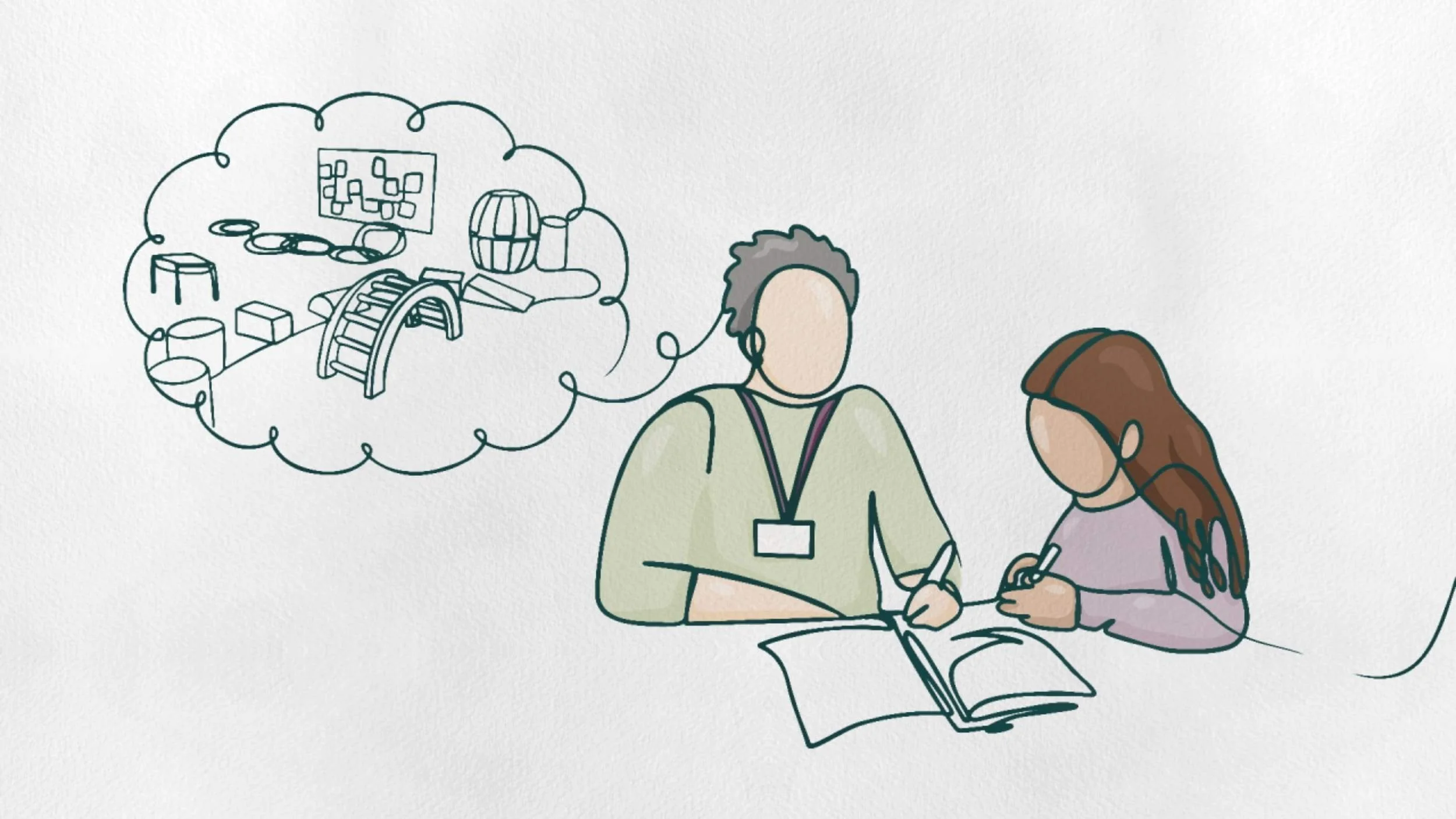
There are topics in healthcare that feel almost impossible to put into words. Continuous line animation was made for those briefs. One unbroken stroke flows, loops and curves into figures, scenes and emotions drawn live in front of the viewer.
The result is something quietly powerful.
For healthcare and mental health awareness, bereavement support and serious illness campaigns, the visual language of one unbroken line does emotional work that no other style quite achieves. And for awareness weeks and charity campaigns that need to be remembered, it is one of the most visually distinctive styles available.
You can see it in action in our Hertfordshire County Council: Trauma film.
Best for:
Mental health awareness animation videos
Bereavement support animation videos
Emotional wellbeing animation
Adult charity campaign animation
Charity fundraising animation videos
Serious illness awareness animation
Self-care animation videos
Awareness week campaign animation
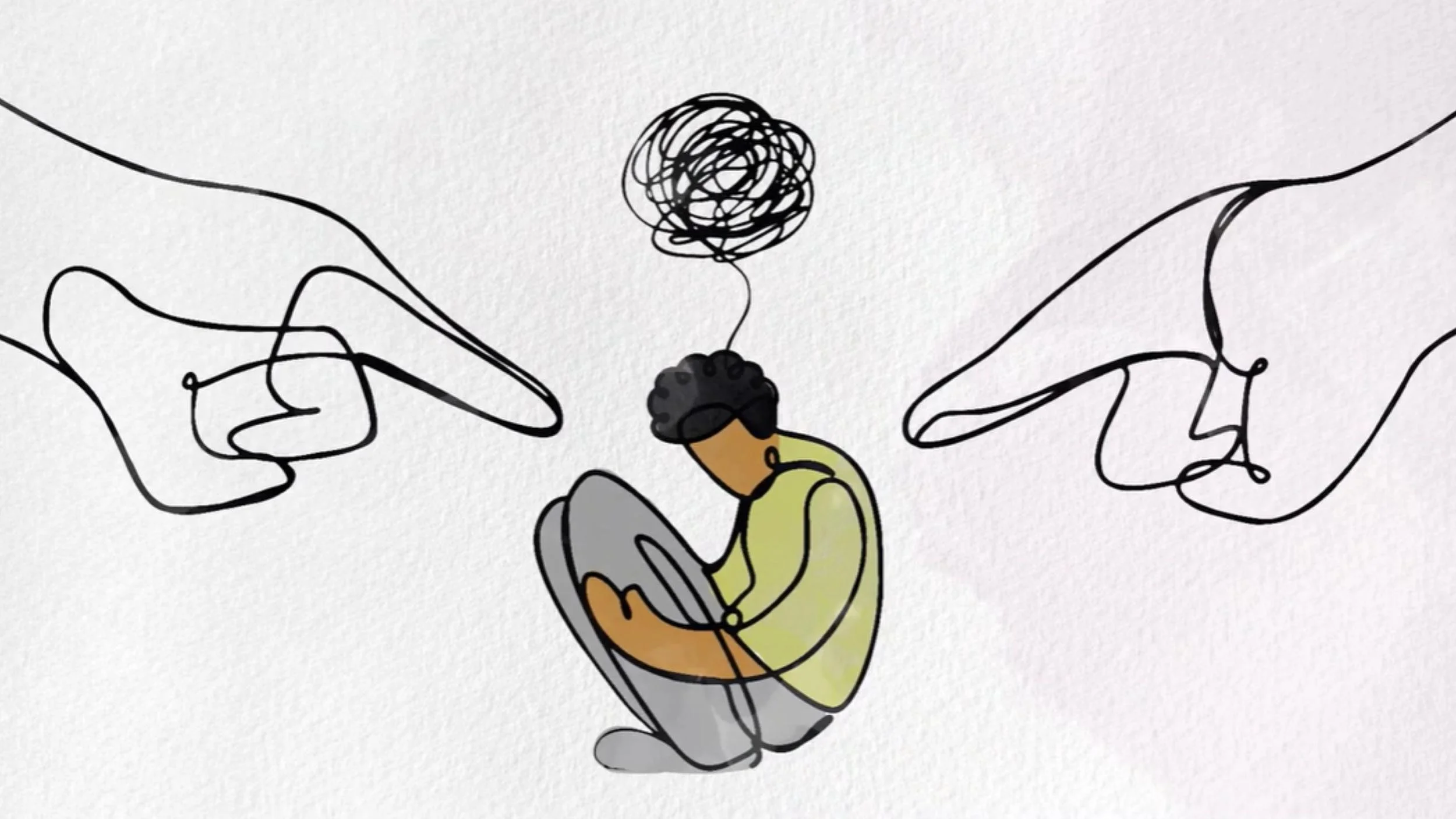
How do you choose the animation style that’s best for you?
Ask these four questions first:
1) Who is watching?
Patients need warmth. Clinicians need clarity. The general public usually needs both.
2) How sensitive is the topic?
The heavier the subject, the softer the visual style needs to be.
3) Do you need people to understand something or feel something?
Whiteboard and motion graphics build understanding. Character-driven and illustrated styles build feeling. These are different goals and need different animation styles.
4) Does your audience need to see themselves in this?
If yes, character-driven 2D animation is almost always the right answer. Stylised characters work across ages, cultures and backgrounds in a way that photographic realism never can.
Every healthcare and social care project is different, and the right animation style is rarely obvious from the brief alone.
CC Animation Studio specialises exclusively in healthcare and social care animation, so if you would like to talk through which style suits your project, book a free consultation with our team, and we will help you find the right approach for your audience.
(Originally posted 08/05/26 on LinkedIn: The Healthcare Animation Brief)