CLCH NHS Trust: Childhood Diabetes
Childhood diabetes explainer animation for children, schools and healthcare settings
Helping children understand diabetes through animation
CC Animation Studio worked with Central London Community Healthcare NHS Trust and school nurse Lisa Canade to create an educational animation explaining childhood diabetes from the perspective of young people living with the condition.
Designed for use in schools, healthcare settings and wider diabetes awareness initiatives, the animation helps children understand what diabetes is, how it affects daily life and how they can support friends who have the condition. The project placed children with lived experience at the centre of the creative process, ensuring the final film was authentic, relatable and accessible to young audiences.
Project snapshot
Client: Central London Community Healthcare NHS Trust (CLCH)
Sector: Healthcare & NHS
Audience: Primary school-aged children, families, teachers and healthcare professionals
Project type: Educational explainer animation
Animation style: Bespoke illustrated animation
Artist: Rosie Hunter
Services provided:
Creative development
Script editing
Storyboarding
Illustration
Animation
Voiceover recording
Project management
The challenge
Explaining diabetes in a way children can understand
Diabetes is a complex long-term health condition that can be difficult for children to understand, particularly if they have little previous knowledge of it.
The aim of the project was to create a resource that would:
Explain diabetes in simple, age-appropriate language
Help children better understand classmates and friends with diabetes
Share real experiences from young people living with the condition
Reduce misunderstanding and stigma
Support diabetes education in schools and healthcare settings
The challenge was to communicate accurate health information while maintaining an engaging and positive tone that would resonate with young audiences.
Our approach
Putting children's voices at the heart of the project
One of the most distinctive aspects of this animation was the direct involvement of children with lived experience of diabetes throughout the creative process.
Lisa Canade brought three remarkable young people to the project: Keon, Lara and Talvin, who helped shape the animation from the earliest stages. Rather than creating a script about childhood diabetes, we worked with children who experience the condition every day to help tell the story in their own words.
Script development
The children provided an initial draft script based on their lived experiences.
Our scriptwriting team then worked collaboratively with them to refine and structure the content into a clear narrative suitable for animation. The goal was to preserve the authenticity of their voices while ensuring the final film communicated information clearly and effectively.
This collaborative approach helped ensure the animation felt genuine and relatable to other young people.
Storyboarding and visual development
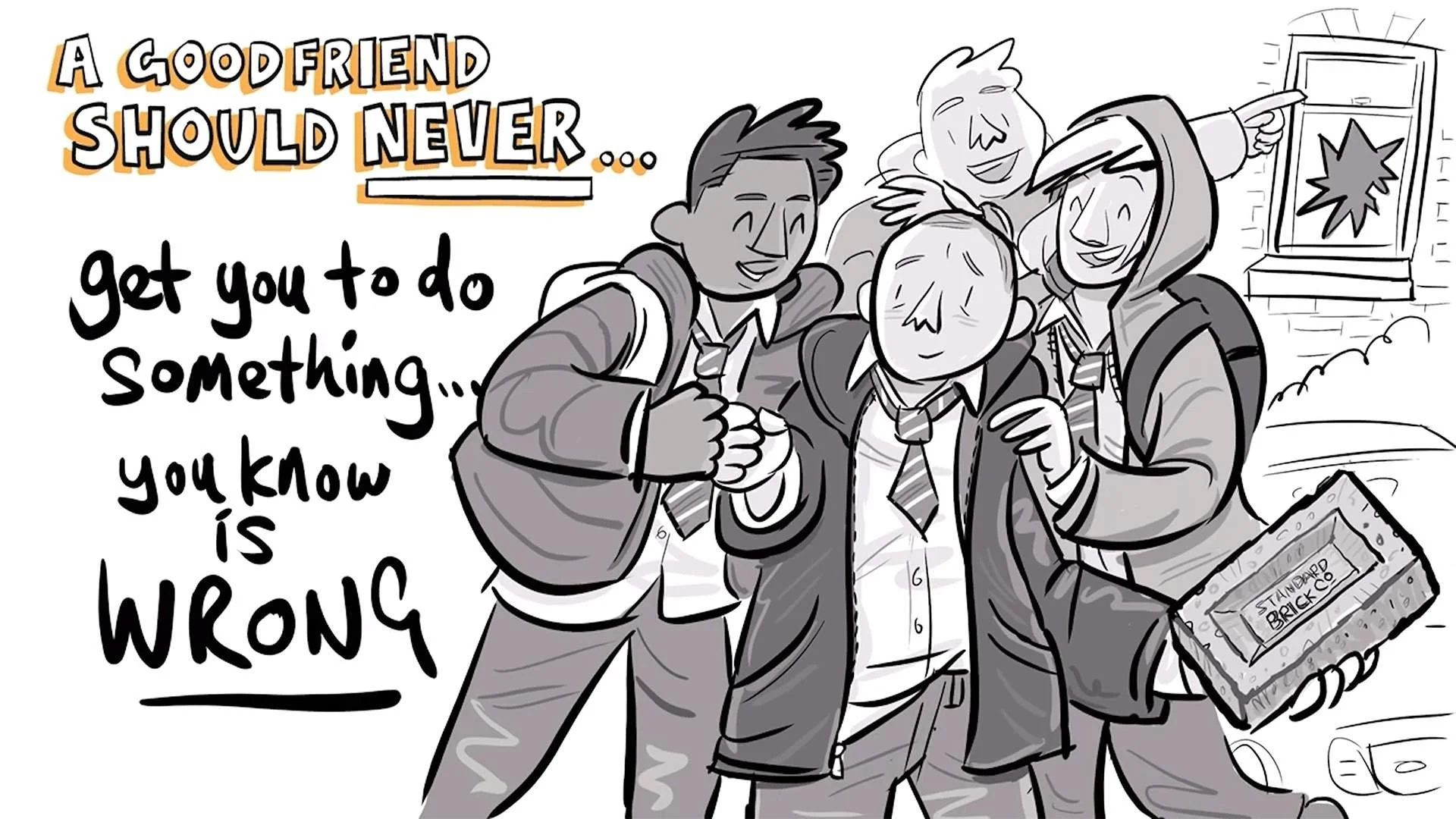
Once the script was finalised, our artist Rosie Hunter transformed the children and school nurse Lisa into illustrated characters.
The young participants were actively involved in developing visual ideas and creative concepts for the animation. They even contributed original artwork, which was digitally recreated and incorporated into the finished film.
By including artwork created by the children themselves, the project achieved a level of authenticity that would have been difficult to replicate through a traditional production process.
Voiceover recording
To further strengthen the authenticity of the animation, we recorded Keon, Lara and Talvin for the voiceover.
Hearing directly from young people living with diabetes creates a powerful connection with the audience and helps communicate their experiences in a natural and engaging way. The finished film genuinely reflects the voices and perspectives of children living with the condition.
The finished animation
The completed animation combines:
First-hand experiences
Child-friendly explanations
Original artwork
Authentic narration
Accessible healthcare communication
The result is an educational resource that supports greater understanding of childhood diabetes among children, families, schools and healthcare professionals.
Why animation worked
Making healthcare information more accessible for children
Animation is particularly effective when communicating complex health information to younger audiences.
For this project, animation allowed us to:
Visualise how diabetes affects everyday life
Simplify medical concepts without oversimplifying the message
Create engaging characters children could relate to
Present information in a non-threatening and supportive way
Share lived experiences with empathy and authenticity
The combination of animation and real-life storytelling helped transform a complex healthcare topic into something accessible and memorable.
Project outcomes
The animation has become part of a wider programme of educational resources developed by CLCH NHS Trust to improve understanding of long-term health conditions among children and young people.
The collaborative approach used throughout the project was recognised beyond the animation itself. Following the project, Lisa Canade was awarded the Queen's Nurse Award and was named Innovator of the Year at the CLCH Staff Awards 2022.
Key features
Childhood diabetes awareness
NHS healthcare communication
Patient education animation
Children's health education
Lived experience storytelling
School engagement resources
Accessible health information
Co-production with young people
Behind the scenes
One of the most rewarding aspects of this project was seeing the children become fully invested in the creative process.
From helping shape the script to contributing artwork and recording voiceovers, the young participants were genuine collaborators throughout production. Their involvement helped create an animation that feels personal, authentic and representative of real experiences rather than simply explaining a medical condition from an external perspective.
Frequently asked questions
Why use animation to explain childhood diabetes?
Animation allows complex health information to be communicated visually and in age-appropriate language. It helps children understand medical concepts while remaining engaging, accessible and memorable.
Can animation support health education in schools?
Yes. Educational animations can support classroom discussions, awareness campaigns and health education programmes by presenting information in a format that is easy for young audiences to understand.
Why involve people with lived experience in healthcare animation?
People with lived experience provide insights and perspectives that help ensure communication is authentic, accurate and relevant to the intended audience. Involving participants directly can also improve engagement and trust.